Exploring cultures of the Persianate world throughout its history
Step into an ongoing exploration of Persian cultures, bridging the contemporary world with rich historical roots. Through art, literature, sound, and living heritage, we trace the routes where stories and traditions travel—from Baluchestan and Isfahan across global diaspora networks. Whether you are a scholar, reader, or curious visitor, join us as we gather, document, and celebrate a shared cultural legacy.
Persianate communities across Iran, India & Central Asia
Many traditions, a shared cultural landscape
From Armenian-Iranian and Judeo-Persian communities to Indo-Persian and Central Asian literary traditions, these stories cross languages and borders.
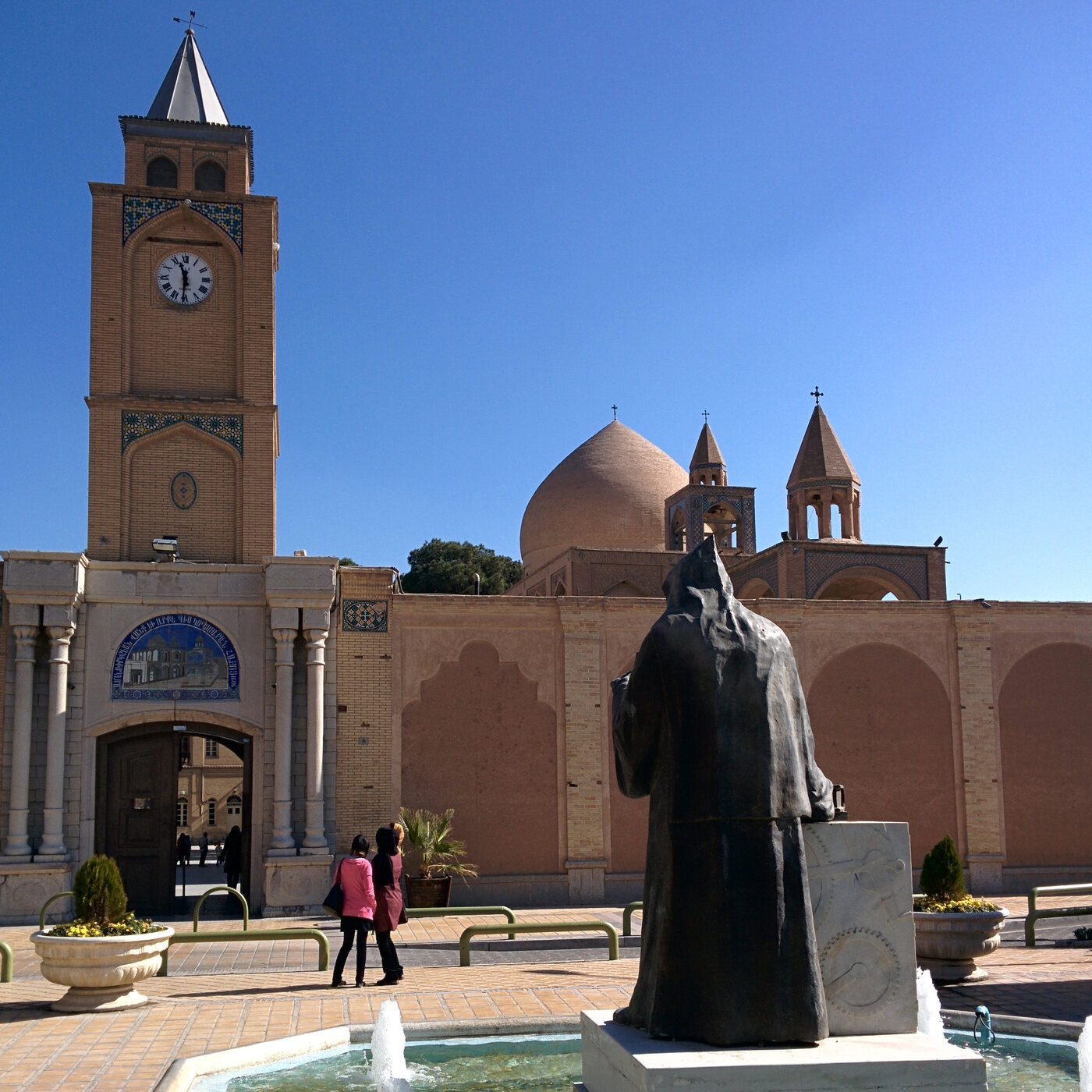
NEW JULFA · ISFAHAN
Armenian-Iranian
New Julfa, Isfahan
Shah Abbas I resettled Armenian families in New Julfa in 1604–1605. The community became central to a silk-trading network that reached from India to Amsterdam, while sustaining churches, schools, manuscript arts, and Armenian-language traditions in Iran.
Baluch cultural life includes musical traditions, suzan-duzi embroidery, and oral poetry. One Ganj’s fieldwork has been funded by Gerda Henkel Stiftung.
For centuries, Iranian Jewish communities recorded poetry, biblical commentary, history, and everyday life in Persian written in Hebrew script. Shushan offers a lecture and film-screening series on Iranian Jewish life and Judeo-Persian voices.
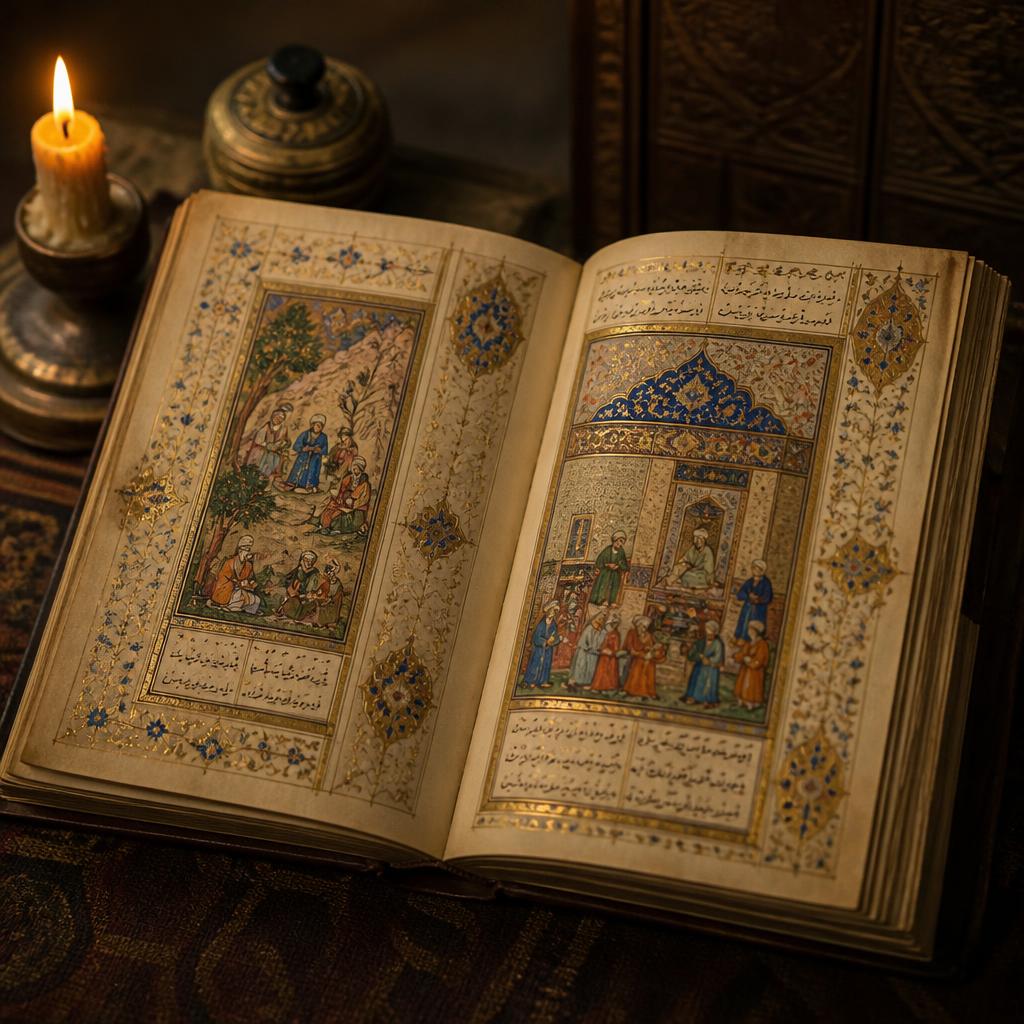
For centuries, Persian served as a language of literature and administration across parts of South Asia. Poets, historians, translators, and courtly networks shaped Indo-Persian culture, leaving a record of exchange between Persian and Indian traditions.
فارسیтоҷикӣ
PERSIANATE · CENTRAL ASIA
Persianate Central Asia
Persian across Central Asia
Persian literary culture flourished in cities such as Bukhara and Samarkand. Today, Tajik—a living Persian language written mainly in Cyrillic in Tajikistan—connects Central Asian communities to a shared yet regionally distinct literary heritage.
FIELD NOTES · MOVING IMAGE
Clips from the Field
These are clearly marked examples. Video URLs, titles, and descriptions are replaceable editorial placeholders—not published One Ganj footage.Managed clips could not be loaded; showing the clearly labeled samples.
PLACES / FIELD GUIDE
Places to Know
Places offer context: not just coordinates, but the people, routes, and traditions that make a cultural landscape.
01 / PLACE
New Julfa
Isfahan · Armenian churches, neighborhoods, and a history shaped by migration and exchange.
02 / PLACE
Baluchestan
Southeastern Iran · A region of distinct languages, music, textile traditions, and oral poetry.
03 / PLACE
Konya
Türkiye · A city associated with Rumi and the annual Şeb-i Arûs observance.
04 / PLACE
Shiraz
Southern Iran · A city whose literary memory is closely associated with Hafez and Saʿdi.
05 / PLACE
Tabriz
Northwestern Iran · A historic city with Armenian community histories and a rich regional cultural life.
06 / PLACE
Hamadan
Western Iran · A city connected with Iranian Jewish histories and wider regional memory.
پEDITORIAL NOTE
A guide with a scholar’s eye
Persian culture lives through poetry, ritual, and music.
One Ganj brings serious scholarship into the open: welcoming, contextual writing for anyone who wants to understand the living cultures of the Persianate world.
Dr. Pardis MinuchehrEditor-in-Chief
With a PhD from Columbia, Dr. Minuchehr has served as Director of Persian Studies at George Washington University, Coordinator of Persian at the University of Pennsylvania, and President of the American Association of Teachers of Persian. She also serves as Executive Director of the Academy for International Culture and Professional Education.
Knowledge grows richer when it is shared.
ONE GANJ EDITORIAL
A note from One Ganj
Culture, delivered with context.
Get One Ganj updates on Persian heritage, literature, film, music, and new stories from the guide.